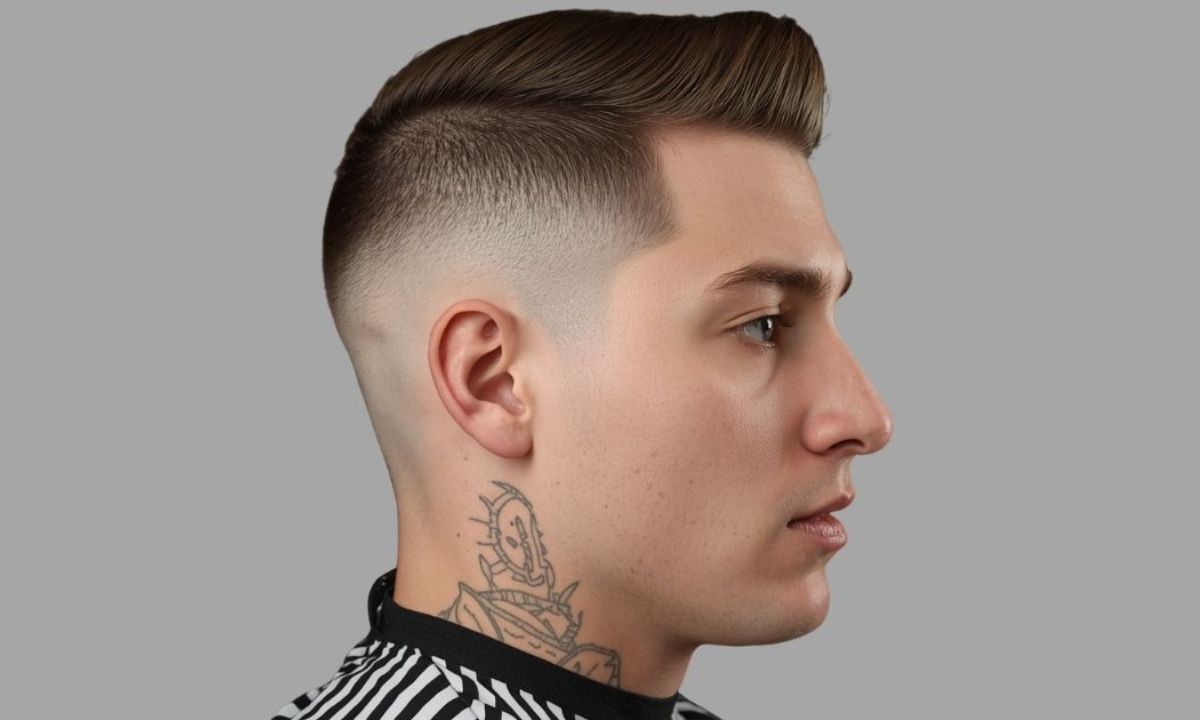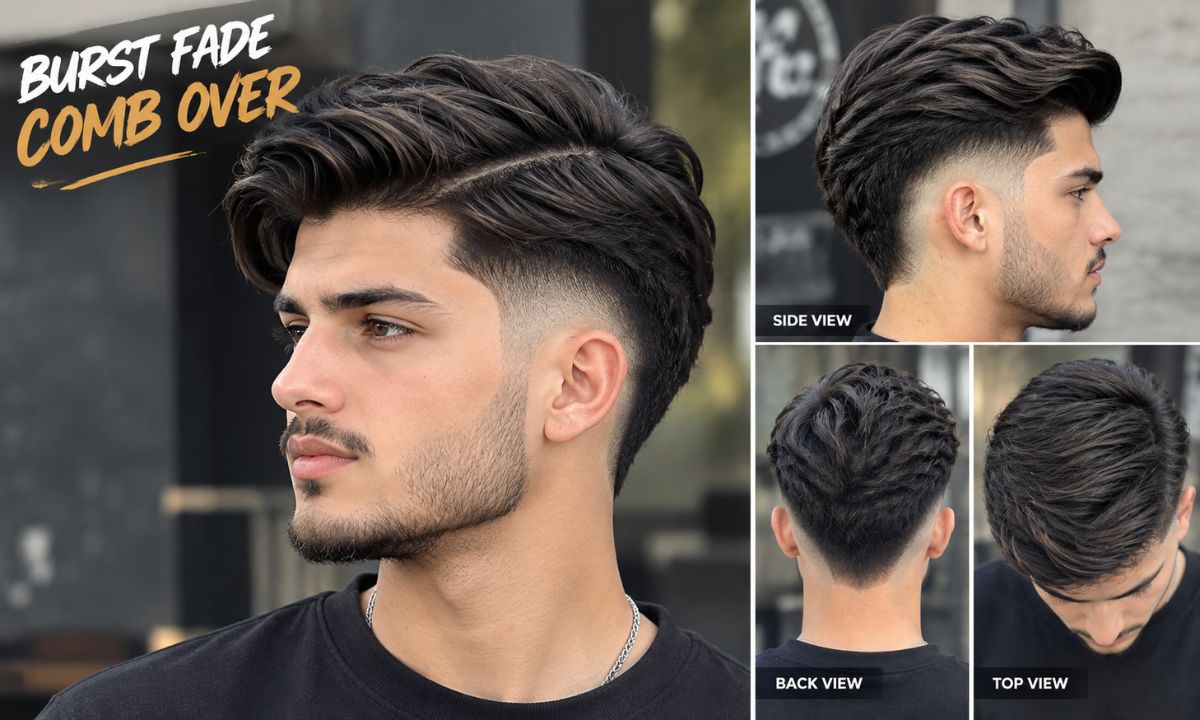
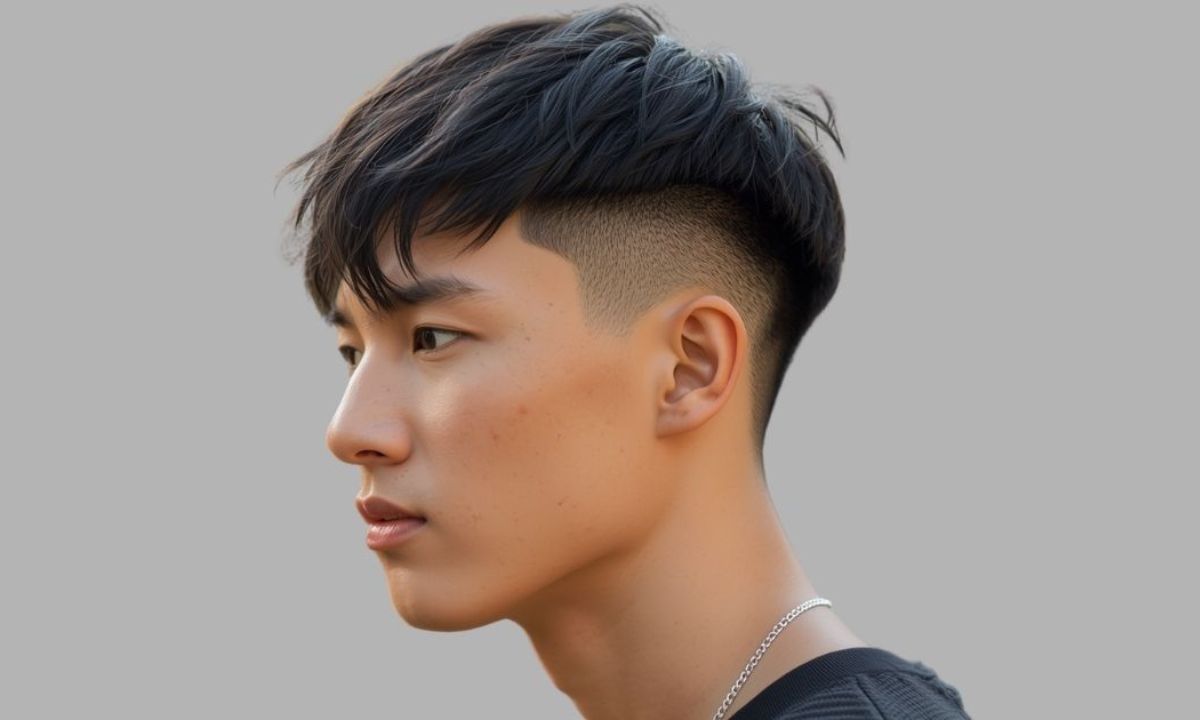
The French crop low fade has become one of the most requested haircuts of 2026. It pairs a textured, forward brushed top with a clean fade that sits low near the ears. The result is sharp, low maintenance, and easy to wear in almost any setting.
This guide covers everything you need to know about the French crop low fade. You will learn what defines the cut, why it is trending, and how to pick the right variation for your hair type and face shape. You will also find styling tips, maintenance advice, pricing information, and common mistakes to avoid before your next barber visit.
What is a Low Fade French Crop?
A low fade French crop is a haircut that combines a cropped, textured top with a fade that starts just above the ears. The top is usually left long enough to brush forward into a soft fringe. The fade blends the sides down to skin or a very short length, creating a clean line without much height.
This cut works because it balances two looks at once. The top gives you texture and personality, while the low fade keeps the sides sharp and tidy. It suits straight, wavy, and curly hair, which is part of why it has become so popular.
The Historical Origins
The French crop traces back to short, textured haircuts worn across Europe in the twentieth century, often paired with a simple side or forward fringe. Barbers later added modern fade techniques to update the classic shape. The low fade version is a newer twist that softens the contrast between the top and sides.
Over the past decade, barbershops have refined the cut with sharper blending tools and more precise fringe work. What started as a simple, practical style has grown into one of the most customizable haircuts available today.
Why the Low Fade French Crop is Trending in 2026
The French crop low fade fits how men want to look and live in 2026. It works across settings, needs little daily upkeep, and suits almost every face shape. Here is why it keeps showing up in barbershops everywhere.
Versatility Across Settings
This haircut moves easily between the office and the weekend. A neat, brushed top looks professional at work, while a slightly messier finish works for casual days out. You do not need two different haircuts for two different lifestyles.
Low Maintenance Requirements
The fade grows out slowly since it sits low on the head, so touch ups are not needed as often as with a high fade. Daily styling takes only a few minutes with the right product. This makes the cut ideal for men with busy schedules.
Universal Face Shape Compatibility
The low fade softens the sides without changing the overall shape of the face too much. This makes it a safer choice than higher, more dramatic fades. Nearly every face shape can wear some version of this cut well.
Economic Efficiency
Because the fade grows out gradually, you can stretch the time between haircuts longer than with sharper, higher fades. This saves money over a year without sacrificing a clean look. Styling products also last longer since daily use is minimal.
Social Media Influence
Barbers and stylists share French crop transformations often, which keeps the cut visible online. Short video tutorials showing the cutting and styling process have made the look easy to request by name. This visibility keeps demand high.
Different Variations of Low Fade French Crop Explained
The French crop low fade is not one single haircut. Small changes to the fade type, top texture, or added details create very different looks. Below are the most requested variations right now.
Textured French Crop Low Fade
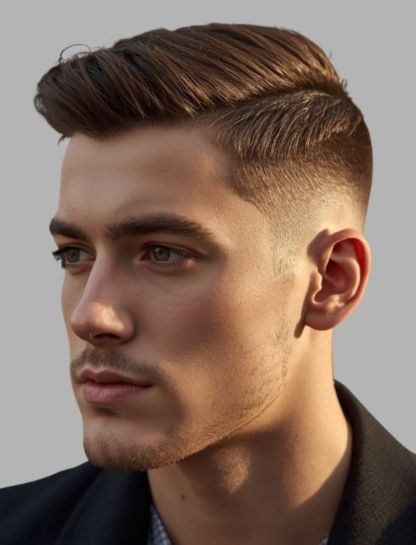
This version adds choppy, textured layers to the top instead of a smooth finish. A matte clay or paste brings out the texture. It gives the cut more visual depth and works well for thick or wavy hair.
Messy French Crop Low Fade Variations
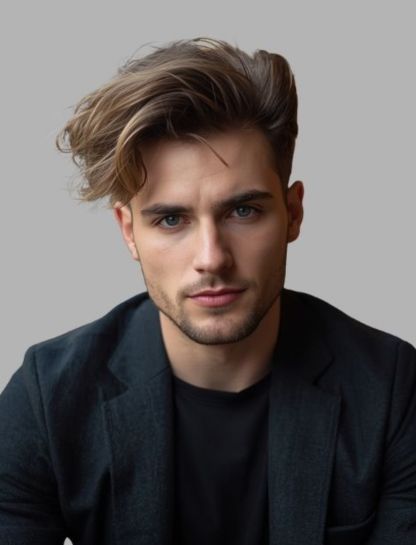
This variation skips the perfectly combed finish for a looser, tousled top. It suits younger men and creative professionals who want a relaxed look. A light product keeps it textured without looking greasy.
Low Taper Fade French Crop
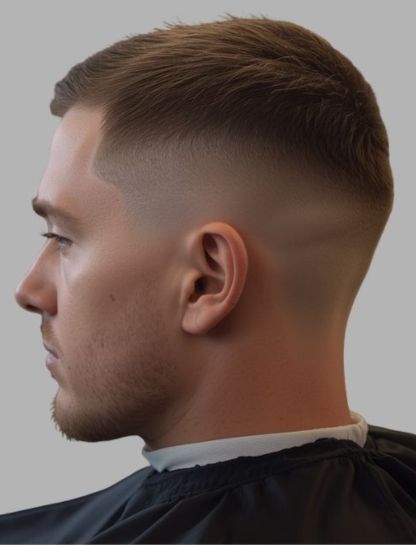
This uses a gentler taper instead of a sharp skin fade. It blends softly into the top and works well with facial hair. It is a good choice for men who want a subtle transition rather than a hard line.
Low Skin Fade French Crop
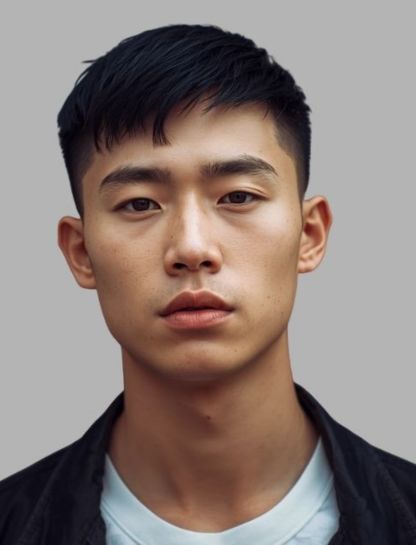
This version fades all the way down to the skin near the hairline. It creates a crisp, clean contrast against the textured top. It is a bolder look than the taper version but still sits low enough to stay office friendly.
Low Drop Fade French Crop
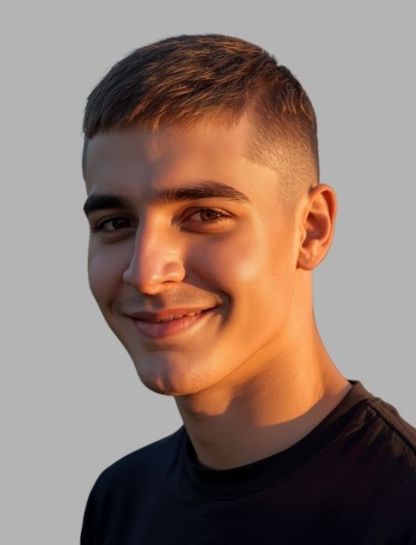
The drop fade curves down behind the ear instead of staying in a straight line. This adds shape and works especially well with wavy or curly hair. It gives the cut a slightly more modern, sculpted feel.
French Crop Top Low Fade
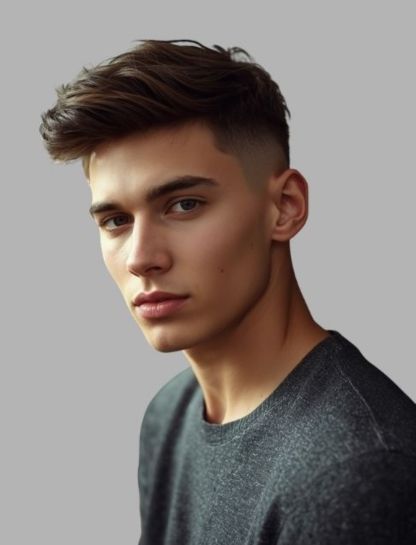
This variation puts more focus on the top length and shape, keeping the fade simple and secondary. It suits men who want more styling options on top, like added height or a deeper fringe.
French Crop Fade Low with Design Elements
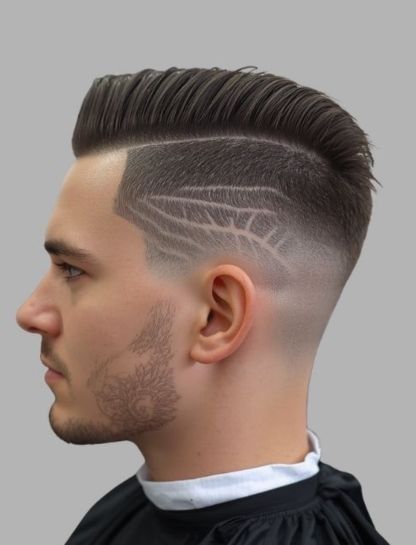
This version adds a shaved line, part, or small pattern into the fade area. It gives the cut a more personalized, artistic edge. It works best with a skilled barber who can keep the design clean as hair grows out.
French Crop with a Low Fade Placement Guide

Placement refers to exactly where the fade begins on the head. A lower placement, just above the ear, gives the softest transition. Discuss exact placement with your barber, since even small changes affect the overall look.
Hair Type Compatibility Guide
The French crop low fade adapts to nearly every hair type. The core shape stays the same, but styling technique changes depending on your natural texture.
Straight Hair Variations
Straight hair holds a smooth, brushed forward fringe well. A light pomade or cream gives control without stiffness. This hair type shows the fade line most clearly, so clean blending matters.
Curly Hair Adaptations
Curly hair adds natural texture to the top without much extra styling. A curl cream helps define the pattern instead of fighting it. The fade removes bulk from the sides, which balances the volume on top.
Wavy Hair Solutions
Wavy hair works especially well with the drop fade variation, since the natural wave pattern complements the curved fade line. A texturizing spray on damp hair brings out the waves. This combination needs very little daily effort.
Long Hair on Top
Keeping extra length on top gives more styling flexibility, including height, a deeper fringe, or a swept back look. This variation needs slightly more daily styling time. It suits men who want to change their look from day to day.
Short Hair Variations
A shorter top keeps the whole cut low maintenance and closer to a classic crop shape. It is the easiest version to style, often needing just a small amount of product. This works well for a first time French crop wearer.
Face Shape Compatibility Guide
The French crop low fade flatters most face shapes, but small adjustments help it fit yours even better.
Oval Face Shapes
Oval faces suit almost any version of this cut without adjustment. Both textured and skin fade variations work well here. This is considered the easiest face shape to style for.
Round Face Shapes
Round faces benefit from more height on top to add length to the face. A textured or messy top with a low skin fade helps create a more angular look. Avoid keeping the sides too full.
Square Face Shapes
Square faces pair well with softer, textured tops that balance a strong jawline. A low taper fade keeps the transition gentle instead of adding more sharp lines. This softens the overall structure.
Heart-Shaped Faces
Heart shaped faces benefit from a fringe that adds width lower on the face. A forward brushed top with a low drop fade works well. This balances a narrower chin against a wider forehead.
Oblong Face Shapes
Oblong faces do best with shorter top length to avoid adding extra height. A low fade with minimal top volume keeps proportions balanced. Avoid heavy volume or height styling with this face shape.
Diamond Face Shapes
Diamond faces suit a textured top that softens angular cheekbones. A low fade keeps the sides simple so the top texture stands out. This is a flattering, balanced choice for this face shape.
How to Ask Your Barber for the Perfect Cut?
Getting the right result starts with clear communication. Barbers can only match what you describe or show them, so preparation matters.
Essential Information to Provide
Tell your barber your hair type, how much length you want on top, and how high or low you want the fade. Mention any face shape concerns you have. The more specific you are, the closer the result will match what you want.
Sample Barber Consultation Scripts
Try saying something like, I want a French crop with a low skin fade, textured on top, and blended just above my ears. This gives your barber a clear starting point. Adjust the wording based on the exact variation you want.
Reference Photo Strategy
Bring two or three photos showing the top texture, fade height, and overall shape you like. Photos remove guesswork better than words alone. Choose photos of people with hair similar to yours for the most accurate result.
Questions to Ask Your Barber
Ask how the cut will grow out and when you should come back for a trim. Ask what products they recommend for your hair type. These questions help you maintain the look between visits.
Red Flags When Choosing a Barber
Be cautious if a barber rushes through the consultation or does not ask about your hair type and face shape. A lack of clear communication often leads to a cut that does not match your expectations. Trust barbers who take time to explain their approach.
What to Expect During the Cut
Expect the barber to work on the fade first, blending from the bottom up before shaping the top. The top is usually cut last so it can be shaped around the finished fade. The full cut typically takes thirty to forty five minutes.
Complete Styling Tutorial
Styling a French crop low fade is simple once you know the basic steps and the right products for your hair.
Daily Styling for Different Variations
For a clean, brushed look, apply product to damp hair and brush forward while blow drying on low heat. For a messy or textured finish, apply product to dry hair and scrunch with your fingers instead of brushing. Both approaches take just a few minutes.
Product Recommendations by Goal
Use a matte clay or paste for texture and a low shine finish. Use a light pomade for a smoother, more controlled look. Curly hair types benefit from a curl cream instead of a paste or clay.
Application Mistakes to Avoid
Avoid applying too much product at once, since this can make hair look greasy or heavy instead of textured. Apply small amounts and add more only if needed. Always start with product on damp hair for the most natural finish.
Maintenance Schedule and Tips
Keeping a French crop low fade sharp takes some routine care, though far less than higher, more dramatic fades.
Optimal Haircut Frequency
Most men need a trim every three to four weeks to keep the fade and top shape clean. The low placement of the fade means it grows out more gently than higher fades. Some men stretch this to five weeks with minimal visible change.
Money-Saving Strategies
Book with a barber who offers loyalty discounts or package deals for regular visits. Stretching appointments slightly longer between cuts, without letting the fade blur too much, also helps reduce yearly cost. Buying multipurpose styling products instead of several separate items saves money too.
Between-Haircut Maintenance
Use light trims at home only for stray hairs, and avoid attempting to maintain the fade yourself unless you have clipper experience. Regular washing and conditioning keeps the top healthy between visits. Avoid over washing, which can dry out the hair and scalp.
Seasonal Adjustments
In warmer months, many men prefer a slightly shorter top for comfort and easier styling. In colder months, a bit more length on top helps protect the scalp. Talk to your barber about small seasonal tweaks rather than a full style change.
Average Pricing Guide
Pricing for a French crop low fade varies based on location, barber experience, and salon type.
Geographic Variations
Prices in larger cities and upscale salons tend to run higher than in smaller towns or local barbershops. Premium barbershops that specialize in fades and detailed cuts often charge more for the extra precision involved. Location plays one of the biggest roles in overall cost.
Value Assessment
A higher price does not always mean a better cut, but it often reflects more experience with detailed fade work. Read reviews and ask to see past client photos before booking with a new barber. The best value comes from consistent results, not just a low price.
Hidden Costs to Consider
Factor in tips, travel time, and the cost of styling products when budgeting for this haircut over a year. Frequent touch ups for a very low, precise fade line can add up faster than expected. Planning your haircut schedule in advance helps control these costs.
Celebrity Inspirations and Style Icons
The French crop low fade has gained visibility through athletes, actors, and musicians who wear textured and messy variations in public appearances. This exposure on social media has helped drive demand for the cut across many countries.
Modern Celebrity Examples
Footballers and actors are frequently seen wearing textured, low fade versions of this cut on red carpets and during public appearances. These looks tend to favor a slightly longer, more voluminous top. The variety among these examples shows how flexible the base cut really is.
What Makes Celebrity Versions Different
Celebrity cuts are usually done by experienced stylists using premium tools under controlled conditions, which adds a level of polish that takes more time to achieve. Frequent touch ups also keep these cuts looking sharper for longer. This level of upkeep is not always practical for everyday life.
Translating Celebrity Styles for Regular Life
Focus on the core shape, fringe length, and fade placement rather than copying every detail from a photo. Bring a reference photo to your barber and ask which parts suit your face and hair type. Small adjustments make the look realistic for daily wear.
Common Mistakes to Avoid
A few simple mistakes can turn a great haircut into a disappointing one. Here are the most common ones to watch for.
Mistake #1: Choosing the Wrong Fade Height
A fade placed too high can clash with your face shape and change the whole look of the cut. Always confirm fade height with your barber before they start. This is one of the easiest mistakes to prevent with clear communication.
Mistake #2: Neglecting Hair Type Consultation
Skipping a conversation about your natural hair type can lead to a cut that ignores your texture or growth pattern. Curly, wavy, and straight hair all need slightly different approaches. Always mention your hair type before the cut begins.
Mistake #3: Over-Styling with Too Much Product
Using too much clay, paste, or gel makes hair look heavy and greasy instead of textured. Start with a small amount and build up only if needed. Less product almost always looks more natural.
Mistake #4: Inconsistent Maintenance
Skipping regular trims lets the fade blur and the top grow out unevenly. This makes the cut look messy rather than intentional. Stick to a consistent three to four week schedule for the best results.
Mistake #5: Wrong Product Type for Your Hair
Using a heavy pomade on fine hair or a light spray on thick, curly hair often gives poor results. Match your product to your hair type and desired finish. Ask your barber for a recommendation if you are unsure.
Mistake #6: Ignoring Face Shape Compatibility
Requesting a variation that does not suit your face shape can throw off your overall look. Round, square, and oblong faces especially benefit from small adjustments to top length and fade style. Discuss your face shape with your barber before the cut.
Mistake #7: Unrealistic Styling Expectations
Expecting a salon quality finish every single day without any styling effort is unrealistic. Even low maintenance cuts need a few minutes of daily care. Set realistic expectations before choosing this haircut.
Frequently Asked Questions
How often should I get a French crop low fade trimmed?
Most men need a trim every three to four weeks to keep the fade and top shape looking clean.
Does the French crop low fade work with curly hair?
Yes. Curly hair works well with this cut, especially with a curl cream to define texture and a fade that removes bulk from the sides.
Is the French crop low fade a professional haircut?
Yes. Its low, subtle fade and neat top make it suitable for office and formal settings, especially in its smoother, less messy variations.
What products work best for a French crop low fade?
Matte clay or paste works well for texture, while a light pomade suits a smoother, more controlled finish.
Can I style this haircut without professional products?
Basic styling is possible with minimal product, but a proper texturizing clay or pomade gives the most consistent, polished result.
Final Thoughts
The French crop low fade earns its popularity by balancing style and simplicity. It suits nearly every hair type and face shape, needs only light daily upkeep, and works in both professional and casual settings. Talk to your barber about the exact variation, fade height, and top length that fits your hair and lifestyle, and this cut can stay sharp with very little effort.
Chris Appleton is a men’s grooming and hairstyle writer at TaperQuest.com. He shares expert haircut guides, styling tips, and the latest hair trends to help readers find their perfect look with confidence.