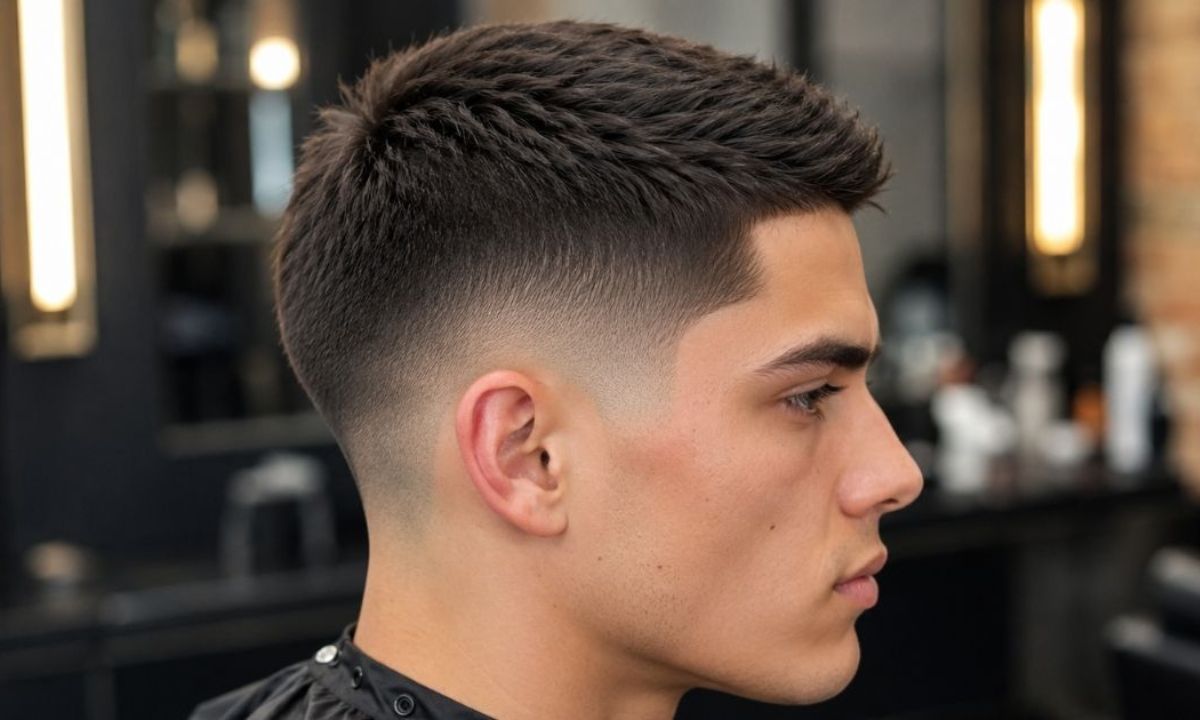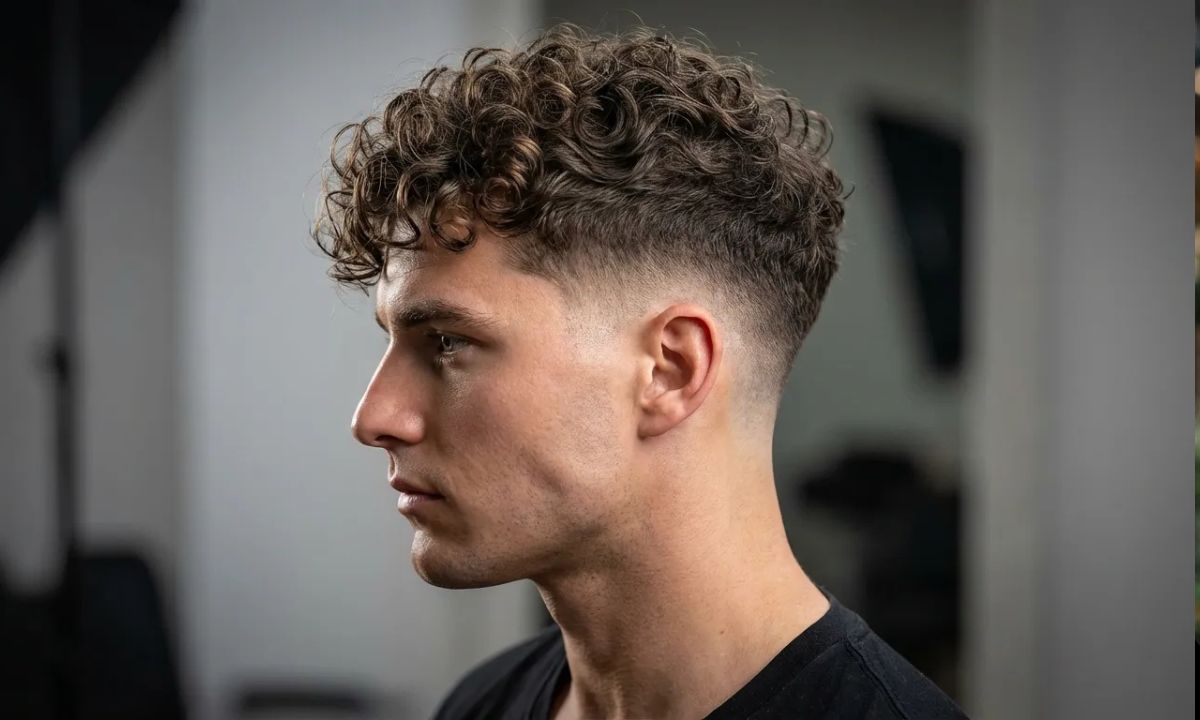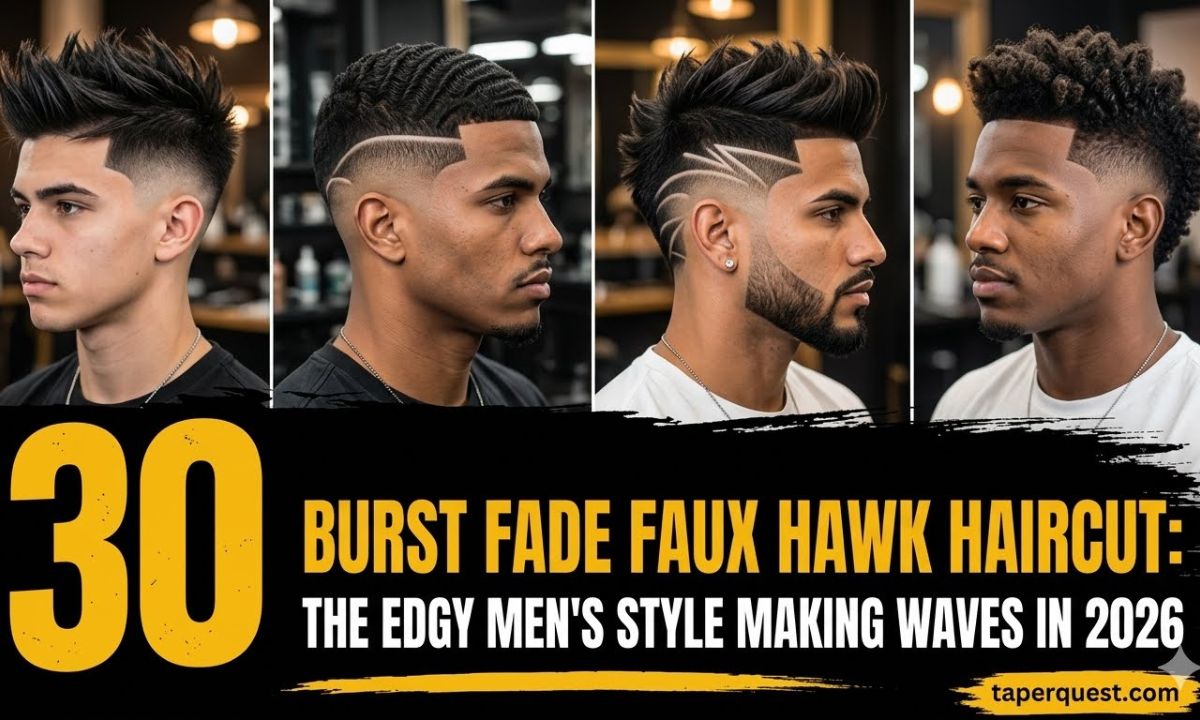
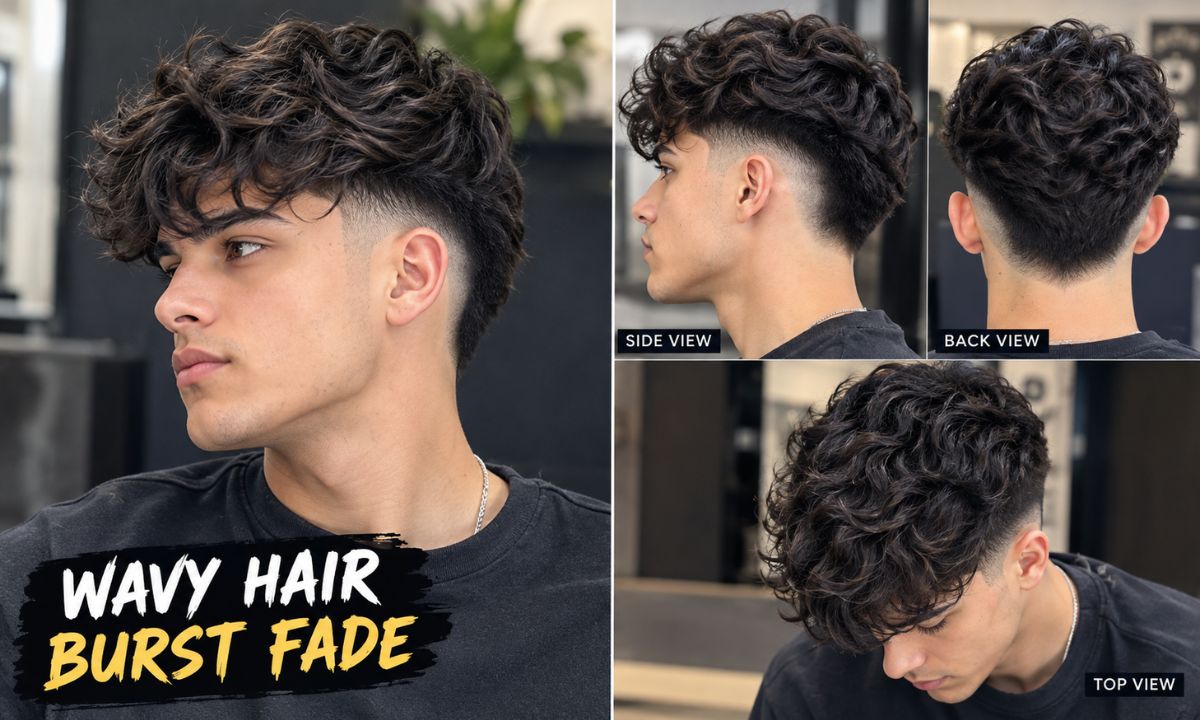
Wavy hair and a burst fade might be the easiest pairing in men’s haircuts right now. The fade curves cleanly around the ear, the top stays long enough to show off natural movement, and the whole thing looks intentional with very little daily effort. That combination is exactly why the wavy hair burst fade keeps showing up in barbershops heading into 2026.
This guide covers 15 wavy hair burst fade styles worth bringing to your barber, plus how to choose the right one for your face shape and wave pattern, how to style and maintain it, and what to actually say in the chair to get the result you want.
Quick Answer
A wavy hair burst fade pairs a rounded fade that curves around the ear with natural waves left long enough on top to move and show texture. It works best with medium to coarse wavy hair, suits most face shapes, especially oval, square, diamond, and heart-shaped faces, and needs very little product since the waves do most of the visual work on their own. A trim every 2 to 4 weeks keeps the fade sharp while your natural texture stays the main feature of the cut.
What Is a Wavy Hair Burst Fade?
A wavy hair burst fade combines naturally wavy hair on top with a rounded fade that curves around the ear and blends into the neckline. Instead of a straight line running down the side of the head, the fade wraps outward in a semicircle, which is where the “burst” name comes from.
The hair on top stays long enough to let your natural wave pattern show, whether that means loose, soft waves or something tighter and more defined. That combination gives you a cut that looks styled without needing much actual styling, since the fade handles the structure and your waves handle the texture.
15 Modern Wavy Hair Burst Fade Styles
Here are 15 ways to wear the wavy hair burst fade this year, each suited to a slightly different wave pattern and personal style.
Classic Wavy Hair Burst Fade
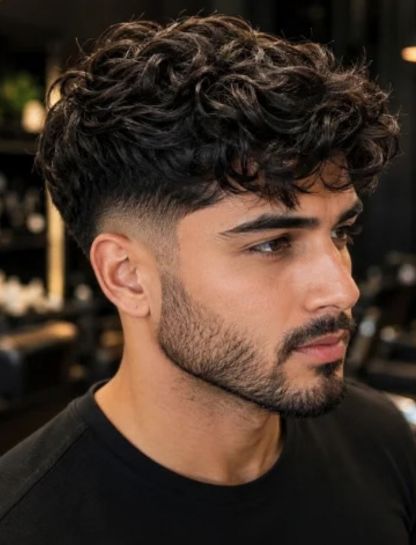
A medium burst fade paired with natural waves left at a moderate length on top. Clean, simple, and the easiest starting point if you are new to this pairing.
Styling Tip: Use a lightweight sea salt spray on damp hair to enhance the natural wave pattern.
Low Burst Fade with Natural Waves
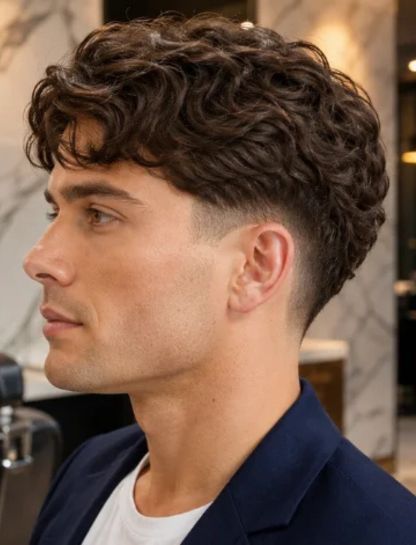
The fade sits close to the hairline for a subtle transition, keeping the focus on your waves rather than the contrast underneath.
Styling Tip: Apply a light cream to damp hair and let it air dry for a soft, natural finish.
Mid Wavy Burst Fade
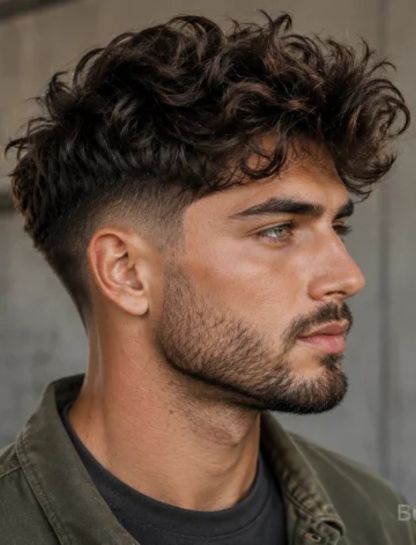
A balanced fade height that adds noticeable contrast without going too bold, working well for both casual and professional settings.
Styling Tip: Scrunch a curl-enhancing cream through damp hair to define the wave pattern.
High Burst Fade with Wavy Top
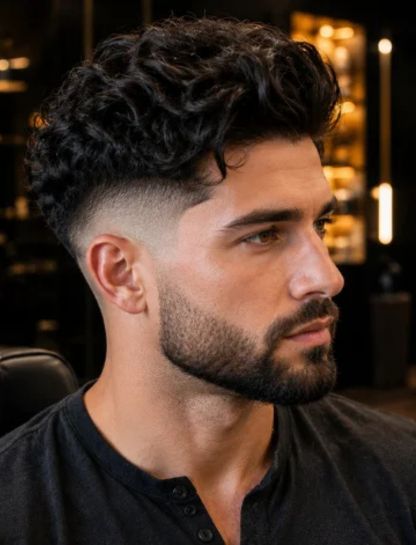
The fade starts higher on the head for maximum contrast against the fuller, wavier top.
Styling Tip: Use matte clay to add texture and hold once the hair is fully dry.
Textured Crop Wavy Burst Fade
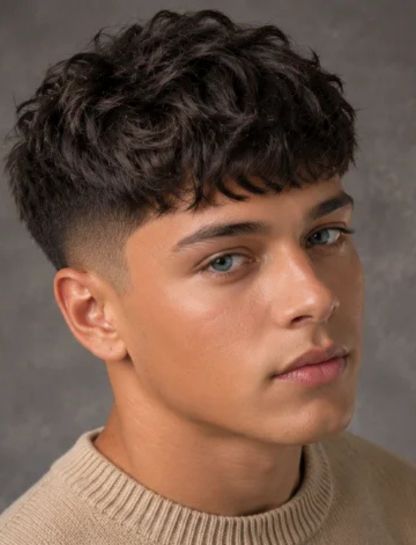
Short layers add extra texture to the top, working with your waves instead of smoothing them out.
Styling Tip: Apply a small amount of matte paste and scrunch for added definition.
Messy Wavy Burst Fade
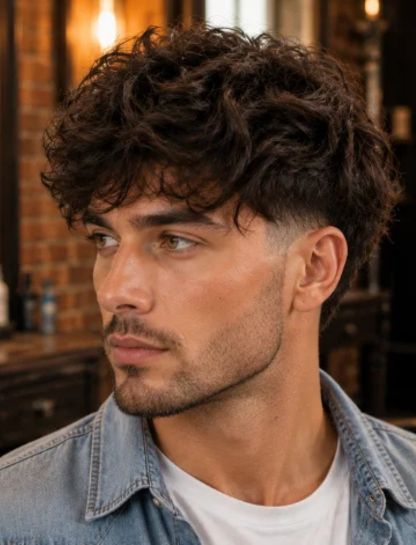
The top is styled to look relaxed and undone, letting your waves fall naturally without much structure.
Styling Tip: Finger-style with a light clay for an effortless, lived-in finish.
Wavy Burst Fade with Fringe

Natural waves are styled forward into a soft fringe, framing the face while the fade keeps the sides sharp.
Styling Tip: Blow-dry the fringe forward, then set with a lightweight styling cream.
Side-Part Wavy Burst Fade
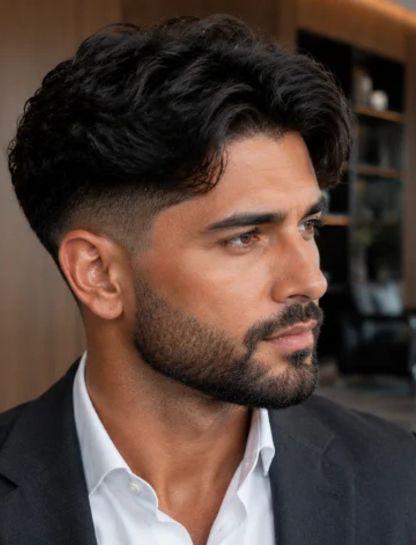
A defined part adds structure to the top, giving this version a more polished, put-together feel.
Styling Tip: Comb a clean part line, then use a light-hold pomade to keep waves in place.
Wavy Burst Fade with Beard
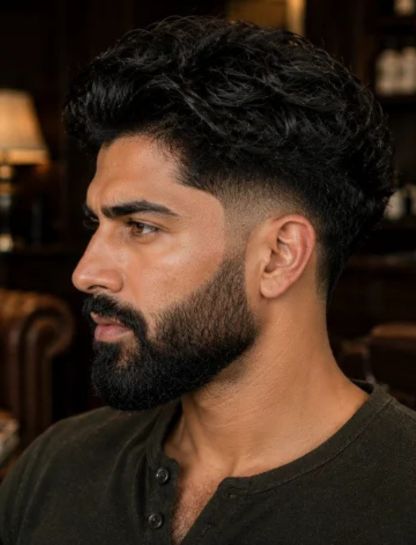
The fade blends smoothly into a well-groomed beard, creating one cohesive shape from the top of the head down.
Styling Tip: Keep the beard trimmed on the same schedule as the fade for a seamless look.
Faux Hawk Wavy Burst Fade
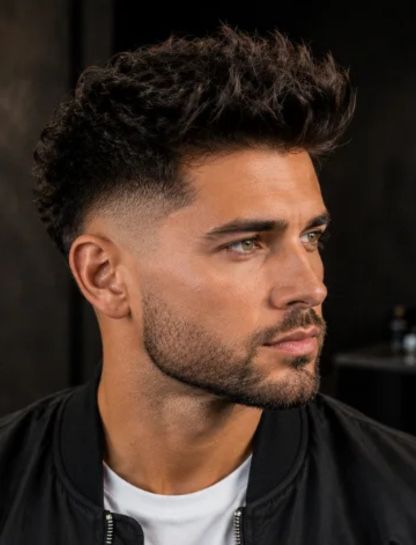
The center section is lifted for a bold, raised shape, while the waves add natural texture instead of a stiff, gelled look.
Styling Tip: Use a strong-hold cream and lift the center section while blow-drying.
Wavy Burst Fade Mullet
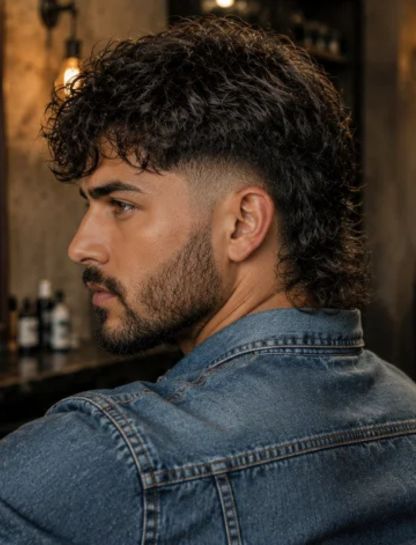
Short, faded sides contrast with longer wavy hair left at the back for a trendy, retro-inspired look.
Styling Tip: Use a curl-enhancing cream to keep the back section textured and defined.
Slicked-Back Wavy Burst Fade
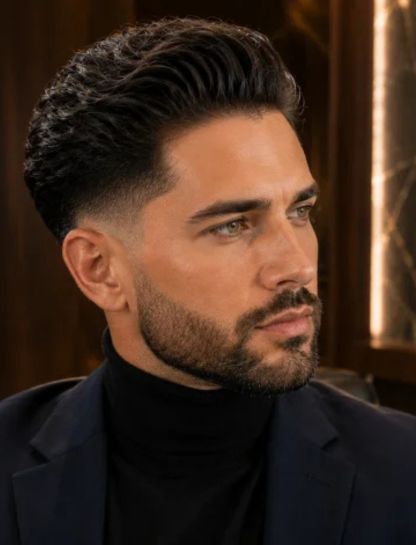
Waves are combed straight back for a sleek, polished finish that still shows natural movement once dry.
Styling Tip: Apply pomade to damp hair, then comb back and let waves settle naturally as it dries.
Long Wavy Burst Fade
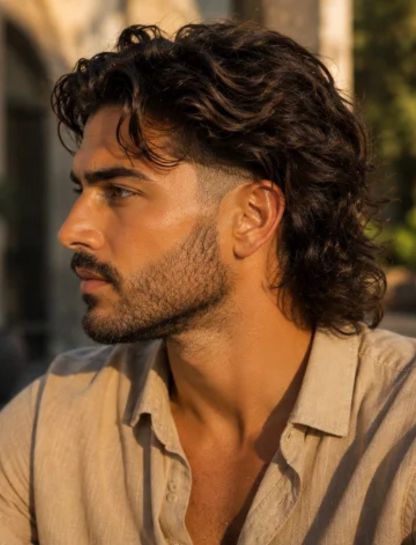
Extra length on top gives your waves more room to move, creating a bolder contrast against the tight fade underneath.
Styling Tip: Use a lightweight cream to control frizz without weighing down the length.
Short Wavy Burst Fade
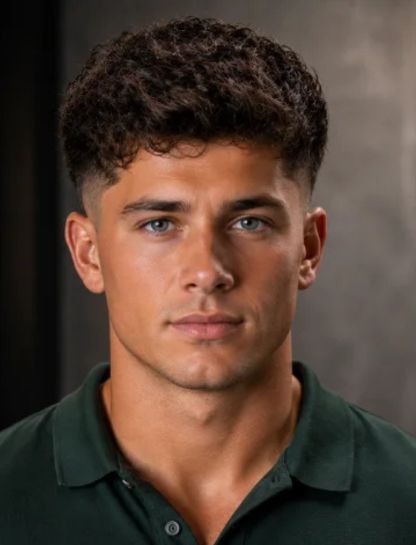
A shorter top keeps this version low maintenance while still showing off wave texture close to the scalp.
Styling Tip: A small amount of matte clay is enough to define short waves without heaviness.
French Crop Wavy Burst Fade
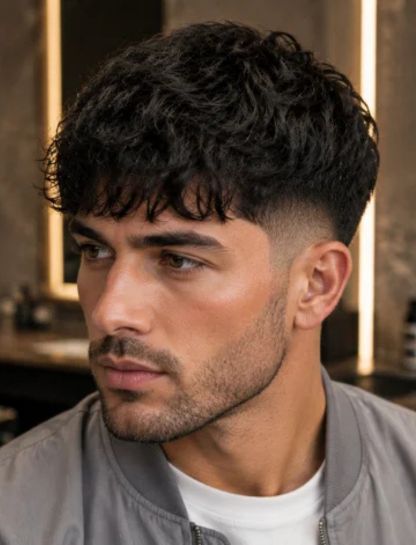
A short, textured fringe paired with the fade creates one of the lowest-effort combinations on this list.
Styling Tip: Keep the fringe trimmed evenly and use a light paste for texture.
Why the Wavy Hair Burst Fade Is Trending in 2026
This cut keeps growing in popularity because it works with your hair instead of against it. Wavy hair naturally adds movement and texture, so instead of fighting that pattern with heavy products or constant blow-drying, this haircut lets the waves do the visual work while the fade provides clean structure underneath. That balance means less daily effort for a look that still feels current and deliberate.
Who Should Get a Wavy Hair Burst Fade?
This cut is a strong choice for men with medium to coarse wavy hair who want a low-maintenance style that still looks put together. It suits guys who like the idea of a fade but do not want to spend a lot of time styling the top every morning, since natural waves already provide texture on their own. It also works well for men who want to grow their hair out slightly without losing the sharp, faded sides.
Who Should Avoid It?
Men with very fine or thin wavy hair may find the waves harder to define without extra volumizing products, since there is less natural body to work with.
This cut can also be a poor fit for very conservative workplaces if you choose a high-contrast fade height, so a lower fade is usually the safer option in those settings.
Best Face Shapes for a Wavy Hair Burst Fade
Choosing the right fade height and top length for your face shape helps the whole cut look more balanced.
Oval Face
Oval faces are the most balanced shape, so nearly any version of this cut works well here, from low to high fade.
Square Face
A mid burst fade with a softer, more textured top helps balance out a strong jawline.
Diamond Face
Added volume near the temples, like a side-part or messy top, helps balance more prominent cheekbones.
Heart Face
A fuller top with some width helps balance a narrower chin, making a fringe or messy style a good fit.
Round Face
A high burst fade with extra height on top helps elongate a round face and reduce visual width.
Oblong Face
Avoid too much added height. A low or mid fade with fuller sides keeps the proportions balanced.
Best Hair Types for a Wavy Hair Burst Fade
Not all wavy hair behaves the same way, so it helps to know how your specific texture will respond.
Medium Wavy Hair
This texture holds shape well and works with nearly every style on this list without much extra product.
Fine Wavy Hair
Fine waves benefit from lightweight volumizing products, since heavier creams or pomades can weigh them down.
Coarse Wavy Hair
Coarse waves hold their shape strongly and can handle bolder styles like a faux hawk or high fade.
Loose Waves
Loose, soft waves look best with a relaxed, messy top that lets the natural movement show through.
Strong Waves
Tighter, more defined waves pair well with textured crops and short tops that highlight the pattern up close.
Wavy Hair Burst Fade Maintenance Guide
Keeping this haircut looking sharp takes a little regular care between barber visits.
Trimming Schedule
Plan a trim every 2 to 4 weeks. The fade grows out faster than the top, so regular touch-ups keep the curved line looking clean.
Daily Routine
Wash your hair 2 to 3 times a week with a gentle shampoo to avoid stripping natural oils, which can make waves harder to define. On non-wash days, a light mist of water or leave-in conditioner can help refresh the wave pattern before styling.
Wavy Hair Burst Fade Styling Tips
Start with damp, not dripping, hair for the best results. Apply your chosen product evenly through the top section, then scrunch upward with your hands to encourage natural wave formation instead of combing it flat.
Let hair air dry when possible, since heat tools can loosen or flatten wave patterns if overused. If you want extra volume, flip your head upside down while diffusing on low heat to lift the roots without disrupting the waves.
Best Products for a Wavy Hair Burst Fade
Sea salt spray is one of the best products for this haircut, since it enhances natural texture and adds light hold without weighing hair down. Curl-enhancing cream works well for defining waves and controlling frizz, especially on medium to coarse hair.
Matte clay adds texture and light hold for messy or textured styles, while a lightweight pomade suits slicked-back or side-part versions that need more control. Avoid heavy oils or gels, since they tend to flatten waves rather than define them.
What to Tell Your Barber
Let your barber know you want a burst fade specifically, since the curved shape around the ear is different from a standard straight-line fade. Mention your preferred fade height, whether that is low, mid, or high, and be clear about how much length you want to keep on top to preserve your wave pattern. Bring a reference photo if you can, since it removes any guesswork about the exact look you are going for.
Pros and Cons of a Wavy Hair Burst Fade
This cut offers real advantages, but it comes with a few trade-offs worth knowing before you book the appointment.
Pros: Low daily styling effort since the waves provide natural texture, works well with most face shapes, and the fade grows out more gracefully than a straight-line fade.
Cons: Fine wavy hair may need extra product to hold definition, and the fade itself still needs a trim every 2 to 4 weeks to stay sharp.
Common Wavy Hair Burst Fade Mistakes
Using heavy products like thick pomade or gel is one of the most common mistakes, since it tends to weigh waves down instead of defining them. Skipping regular trims lets the fade grow out and lose its clean, curved shape. Brushing dry hair can also disrupt the natural wave pattern, so stick to finger-styling or a wide-tooth comb on damp hair instead.
Choosing the wrong fade height for your face shape can throw off the overall balance, so it helps to talk this through with your barber before the cutting begins.
Frequently Asked Questions
What is a wavy hair burst fade?
It is a haircut that combines a curved fade around the ears with natural wavy hair left longer on top to show texture and movement.
How often should I trim a wavy hair burst fade?
Most men need a trim every 2 to 4 weeks to keep the fade looking sharp as it grows out.
What products work best for wavy hair with a burst fade?
Sea salt spray and curl-enhancing cream work especially well, since they define waves without weighing them down.
Is a wavy hair burst fade low maintenance?
Yes, compared to many other styles. The natural waves do most of the styling work, so daily effort stays minimal.
Can fine wavy hair handle this haircut?
Yes, though fine hair benefits from lighter, volumizing products to help define the wave pattern.
Does a wavy hair burst fade work with a beard?
Yes, blending the fade into a well-groomed beard creates a clean, cohesive look.
Final Thoughts
The wavy hair burst fade earns its popularity by working with your natural texture instead of against it. Whether you go classic, messy, slicked back, or bold with a high fade, this cut lets your waves do the visual work while keeping the sides sharp and defined.
Bring a reference photo to your next barber visit, be clear about fade height and top length, and stick to a trim schedule every 2 to 4 weeks. With the right care, this haircut stays looking fresh with very little daily effort.
Chris Appleton is a men’s grooming and hairstyle writer at TaperQuest.com. He shares expert haircut guides, styling tips, and the latest hair trends to help readers find their perfect look with confidence.